
Land Trust 101: Types of Conservation Transactions
When people think of a land trust, they often picture an organization purchasing a beautiful piece of land to protect it forever. While purchasing land is one tool CPF uses to protect land, it is not the only one—and it is not the most common.
Land trusts structure conservation transactions in many ways to protect natural areas, working farms, forests, wetlands, trails, and historic properties. The best approach depends on the property, the landowner’s goals, available funding, and long-term conservation priorities.
Choosing the Right Conservation Tool
There is no single approach that works for every property or landowner. A land trust may use one tool—or combine several—to achieve the best conservation outcome. The process begins with questions such as:
Does the property fit the land trust’s conservation priorities?
Should the property remain privately owned or become a public preserve?
Are there development rights that should be permanently limited?
Is funding available for a purchase?
Could a donation or bargain sale provide tax benefits?
Here are some of the most common ways land trusts work with landowners to conserve property.
Donation
An outright donation is one of the simplest forms of land conservation: a landowner donates all or part of their property to a land trust, which assumes ownership and responsibility for its long-term care.
Because donated land is removed from the local tax rolls, a land trust must carefully evaluate each potential donation. The property should offer a clear public benefit—such as opportunities for public access and recreation—and/or contain significant natural or habitat value.
The land trust holds the property as a preserve, generally keeping it undeveloped while potentially providing opportunities for public recreation, education, or habitat protection. Depending on the circumstances, donating land may also provide tax benefits to the donor.
Once the property is transferred, the land trust becomes responsible for stewardship, insurance, maintenance, and other costs associated with managing the property in accordance with its conservation purpose and the donor’s intent. For this reason, the land trust typically requires a donation or solicits funds to support the property.
Bargain Sale
A bargain sale occurs when a landowner sells property to a land trust for less than its fair market value. For example, if a property is appraised at $500,000 and sold for $300,000, the $200,000 difference may qualify as a charitable contribution, subject to applicable tax rules.
A bargain sale can provide a landowner with some financial compensation while still meeting their conservation goals. For the land trust, this helps stretch limited acquisition funds by combining a purchase with charitable giving.
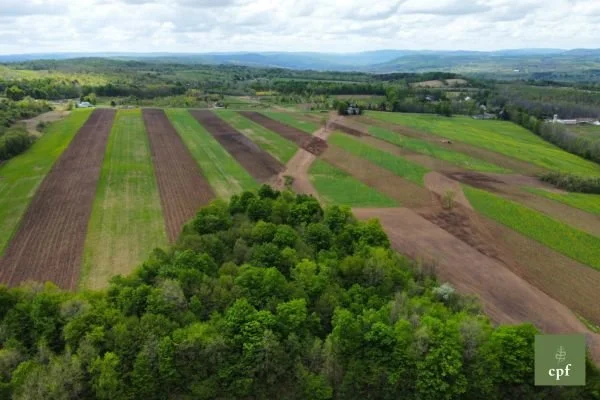
CPF partnered with the Gianforte family and NYS’s Farmland Protection Implementation Grant Program to permanently protect 471 acres of farmland through a conservation easement.
Conservation Easement
A conservation easement allows a landowner to retain ownership of the land while permanently protecting important conservation values.
Rather than transferring the land itself, the landowner donates or sells certain development rights to a qualified conservation organization. The landowner continues to utilize the land consistent with the easement, such as farming, forestry, recreation, and maintaining existing homes and structures.
The easement is recorded with the deed and “runs with the land,” meaning its restrictions apply to future owners as well. Because the property remains in private ownership it also remains on the tax rolls.
Every conservation easement is different. Restrictions are tailored to the property and the landowner’s goals while protecting identified conservation values. The land trust assumes an ongoing responsibility to monitor the property, ensure compliance with the easement, and defend the easement in court if necessary.
Conservation easements can be particularly useful for landowners who want to keep property in the family, continue farming or managing their land, or protect their property before selling it. Many conservation easements are privately funded by landowners, who may be eligible for tax benefits depending on their circumstances. State and federal programs may also provide funding for eligible properties, including qualifying farmland through New York State’s Farmland Protection Implementation Grants (FPIG).
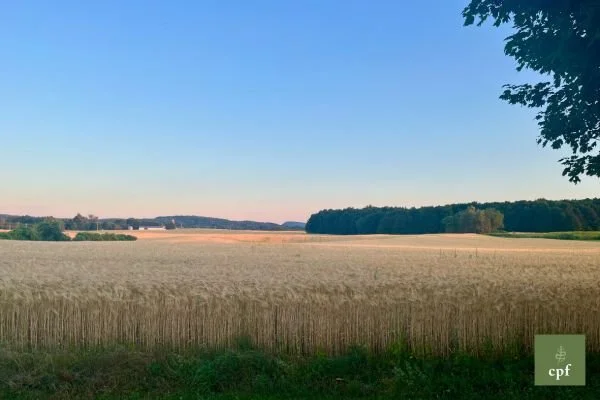
In 2005, a private individual purchased a property on Lane Road, worked with CPF to place an agricultural easement on the land, and then sold it, in what is known as a Buy-Protect-Sell transaction. This land remains in agricultural production.
Buy-Protect-Sell
Sometimes a land trust acquires a property with the intention of protecting its conservation values and then transferring it to a new owner. This is known as a “Buy-Protect-Sell” transaction.
The land trust, or a private individual, may purchase an important conservation property, establish permanent protections—through a conservation easement—and then sell the property to a private owner. The conservation restrictions remain in place even after ownership changes.
This approach allows a land trust to act quickly when important conservation opportunities arise, while ultimately returning the property to private ownership. Funds from the sale can then potentially be used to help protect other important properties.
Donation of Non-Conservation Lands: “Trade Lands”
Not every property offered to a land trust is a good fit for permanent conservation. A property may have limited conservation value or may exceed the organization’s long-term stewardship capacity.
With the donor’s permission, a land trust may accept such a property with the intention of selling it and using the proceeds to support other conservation priorities. These properties are often called “trade lands.”
The proceeds can help fund the protection of properties with greater conservation significance or support other aspects of the land trust’s mission.
Many Paths, One Goal
At its core, land conservation is about finding the right tool for the right property. Whether through a donation, bargain sale, Buy-Protect-Sell transaction, conservation easement, or strategic use of trade lands, land trusts work with landowners to create lasting conservation outcomes.